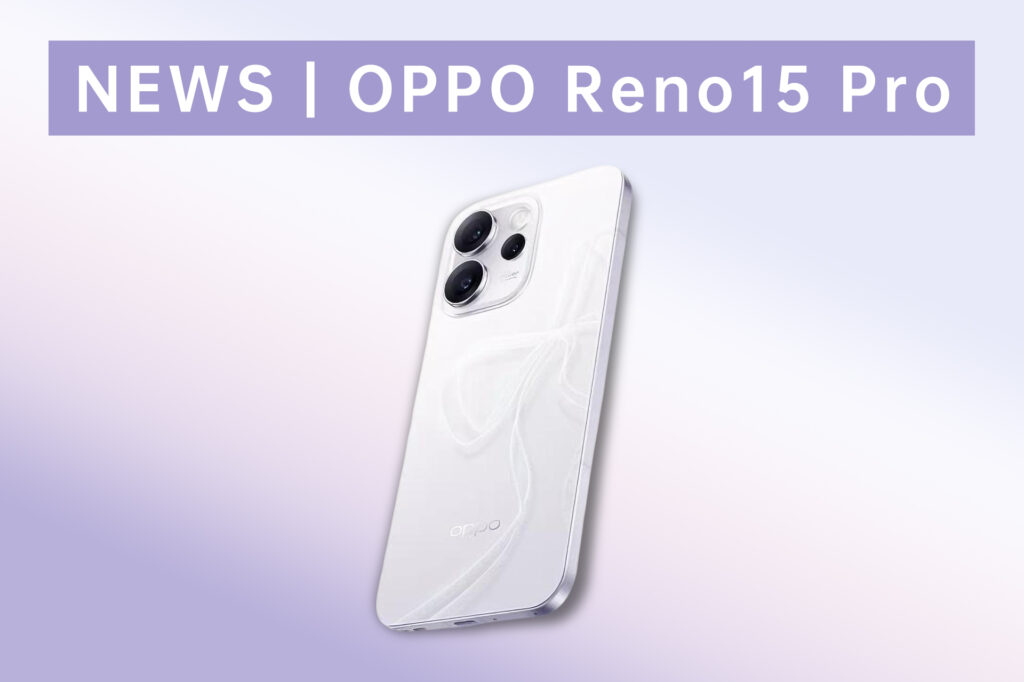
The OPPO Reno15 Pro has officially made its debut, instantly becoming a compelling contender in the mid-range smartphone market with its exceptional overall capabilities.
In terms of performance, the device is powered by the MediaTek Dimensity 8450 mobile platform. Following joint optimization by OPPO and MediaTek, and paired with LPDDR5X + UFS 3.1 technology, it offers configurations up to 16GB of RAM and 1TB of storage. Whether running demanding games, multi-tasking across numerous applications, or engaging in long-duration shooting and live streaming, the Reno15 Pro maintains smooth and stable operation. Its excellent thermal control further ensures an outstanding gaming experience.
The screen performance is equally remarkable. It features a 6.78-inch flat full-screen display supporting a dynamic refresh rate from 1 to 120Hz, a pixel density of 460PPI, and 1.07 billion colors. The ultra-narrow bezel design achieves a 95.5% screen-to-body ratio, delivering an immersive, “all-screen” visual experience.
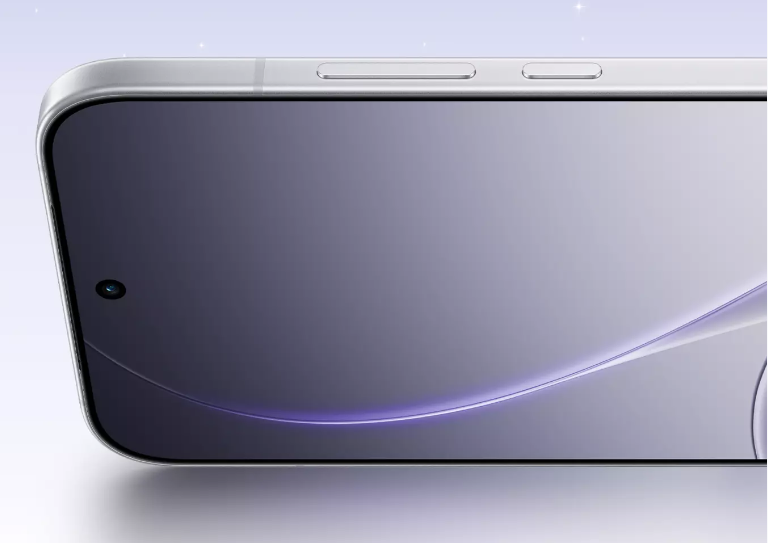
Imaging capability is a major highlight. The front features a 50-megapixel selfie camera. Leveraging OPPO’s proprietary beauty algorithms, it provides excellent detail restoration, natural skin tones, and realistic beauty effects. The rear camera system is a triple-lens setup: a 200-megapixel wide-angle primary lens, a 50-megapixel ultra-wide-angle lens, and a 50-megapixel telephoto lens. This setup supports 3.5x optical zoom and 120x digital zoom. The 200-megapixel primary lens boasts strong resolving power, capturing rich details in landscape shots and maintaining clarity even when cropping images. It also offers fun features like live photo collages, meeting diverse creative needs.
Regarding battery life, the Reno15 Pro is highly competitive. It houses a substantial 6500mAh battery, which can easily handle a full day of heavy use and last up to one and a half days under normal usage. It supports both 80W wired fast charging and 50W wireless fast charging, enabling rapid power replenishment.
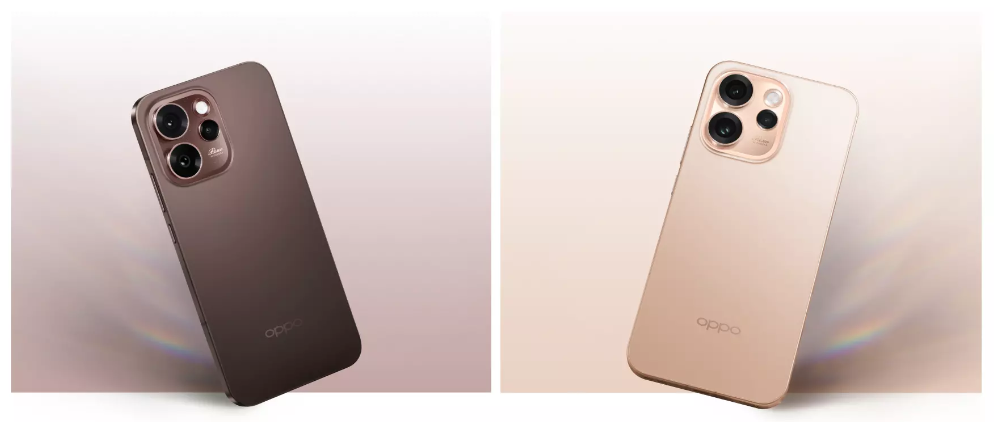
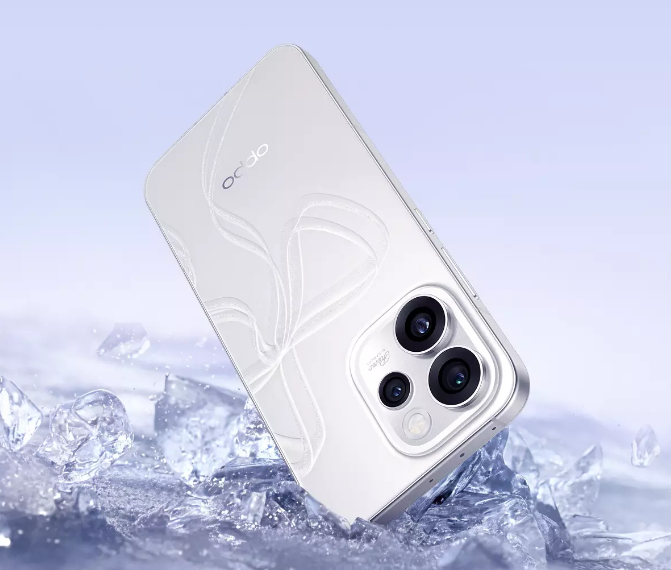
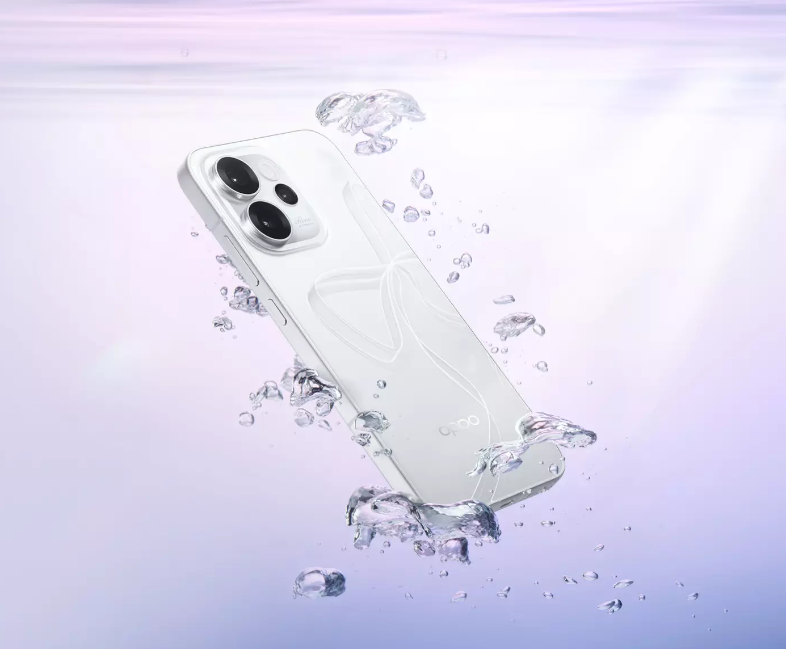
Aesthetically, the device employs holographic lithography technology, drawing inspiration from “sports ballet aesthetics,” to create a three-dimensional and vibrant naked-eye 3D arc texture. Paired with a sparkling sand-coated starlight-flashing silver edge, it is available in various colors, including white, gold, and brown, catering to diverse tastes. Furthermore, it supports IP69 water resistance and 360° drop resistance, ensuring robust reliability. The OPPO Reno15 Pro features comprehensive upgrades and warrants close attention.
ESD (Electrostatic Discharge) components are specialized electronic components designed to safeguard electronic devices from the damaging effects of electrostatic discharge. ESD is a sudden release of static electricity that can compromise the functionality or lifespan of sensitive electronic components. ESD components mitigate this risk by diverting, absorbing, or dissipating ESD events.
In mobile phones, ESD components are critical for protecting internal circuitry from ESD-induced damage. Due to the sensitivity of many components within a mobile phone, multiple ESD components are strategically placed to provide comprehensive protection. These components commonly include ESD diodes, TVS diodes, and other specialized protection devices.
Specifically, ESD components in mobile phones serve to protect various areas:
- Interface Protection: ESD protection is essential for interfaces such as charging ports, headphone jacks, and USB connectors to prevent damage from ESD events during connection.
- RF Circuit Protection: Radio Frequency (RF) circuits are highly susceptible to ESD and require dedicated ESD components to maintain signal integrity and prevent component failure.
- Processor and Memory Protection: Core components like processors and memory ICs require ESD protection to ensure reliable operation and data integrity.
- Touchscreen and Display Protection: Touchscreens and displays, integral to the user experience, are also vulnerable to ESD damage and are protected by dedicated ESD components.
In conclusion, ESD components are vital for protecting the internal electronics of mobile phones from ESD damage, ensuring their reliable operation, and extending their lifespan. Their strategic implementation is essential for maintaining device functionality and user satisfaction.