
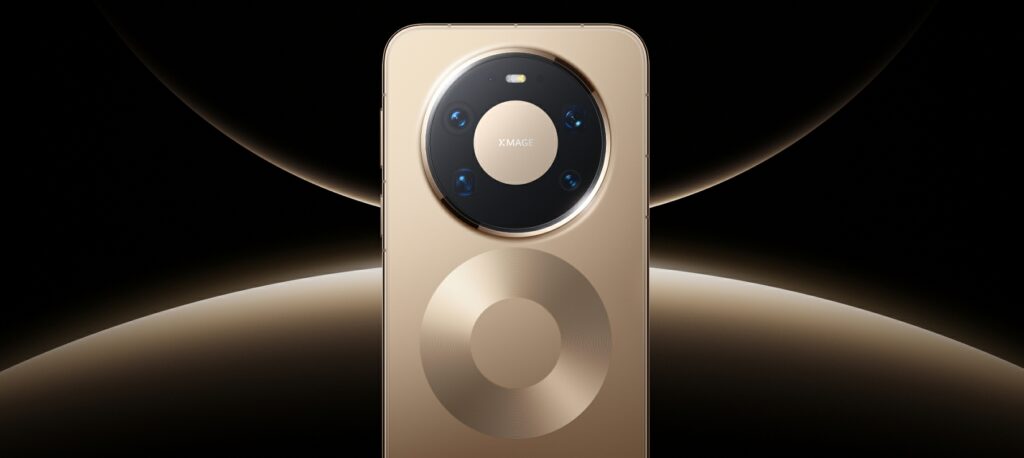
Huawei Mate 80 Pro Max has been officially launched, setting a new benchmark in the high-end smartphone market with its all-around outstanding performance.
In terms of performance, it is the first to be equipped with the Kirin 9030 Pro chip, paired with HarmonyOS 6. The overall device performance has improved by 42%, and the average frame rate for graphics processing has increased by 33%. It also supports hardware-accelerated ray tracing. During daily multitasking, users can switch between multiple apps effortlessly. When running large-scale games, the screen remains smooth without any lag, delivering an immersive experience. The newly launched HarmonyOS 6 features brand-new immersive light-sensing effects, including interactive dynamic particles, transparent texture materials, and gaseous motion changes, making operations more engaging. The built-in Harmony AI covers scenarios such as efficiency, interaction, imaging, and security, providing users with thoughtful services.
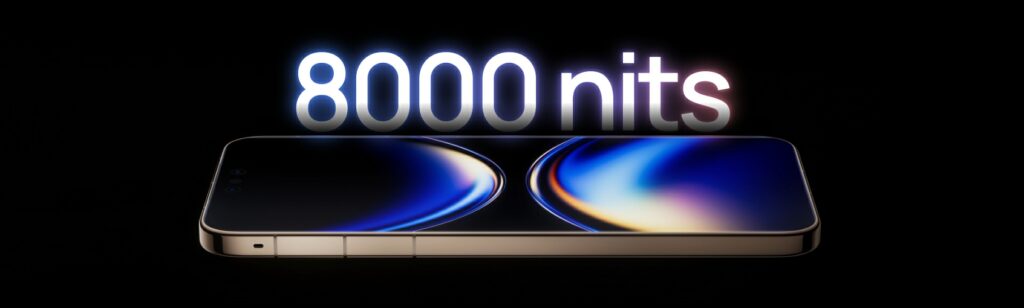
Regarding the screen, the 6.9-inch Linglong Screen with a dual-layer OLED structure delivers an astonishing performance. With a peak brightness of up to 8,000 nits, the screen remains clear even under strong light. The 2160Hz high-frequency PWM dimming effectively reduces screen flicker, balancing eye protection and color accuracy. The dual-layer OLED technology adds an extra emission layer, extending the material lifespan and mitigating light leakage. It also supports 1.5K resolution and LTPO dynamic refresh rates, achieving a perfect balance between smoothness and power consumption.
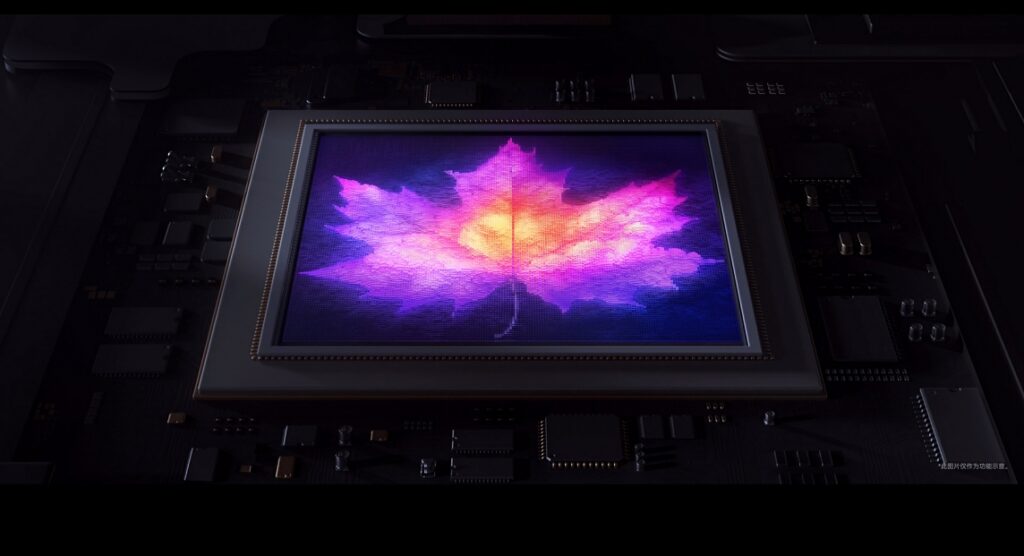
The imaging system is the first to feature the second-generation Red Maple Imaging. The second-generation Red Maple camera has seen a 96% increase in light intake, a 300% improvement in ultra-high dynamic range, and a 25% enhancement in ultra-fine spectral perception. Multiple cameras work in tandem, including a 17.5EV ultra-high dynamic main camera, an ultra-wide-angle camera, a 4x optical macro telephoto lens, and a 6.2x optical ultra-telephoto + 12.4x optical-quality zoom lens, covering various shooting scenarios and easily capturing splendid moments.
Its battery life can be described as extreme. The over-6000mAh large battery, combined with the ultra-cool dual-phase change cooling system, allows for continuous use for up to 14 days in extreme battery-saving mode. The 100W wired fast charging and 88W wireless fast charging can quickly restore the phone to full power in a short time.
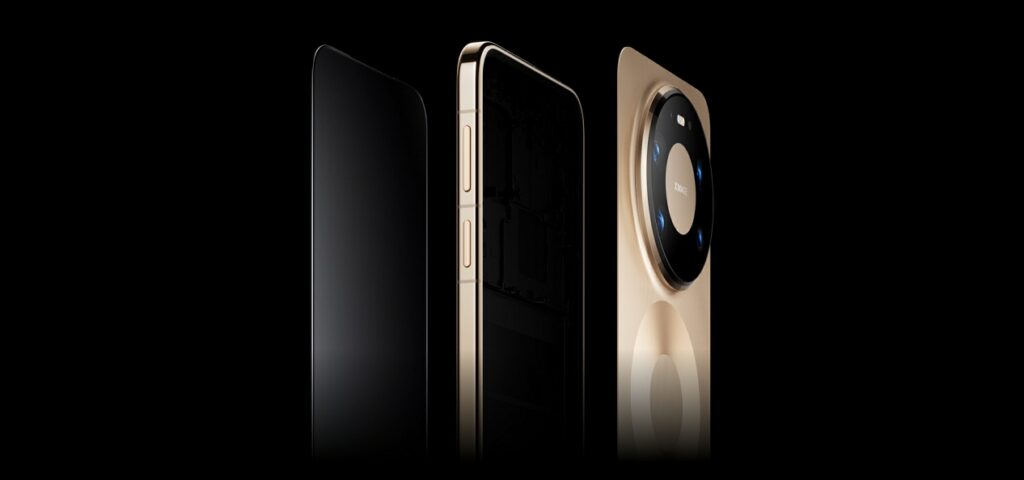
In addition, it boasts excellent communication capabilities. The all-metal structural enhanced antenna increases signal strength and supports multiple satellite and offline communication methods. It is available in four colors: black, silver, gold, and cyan. The all-metal Xuanwu structure paired with the second-generation Kunlun Glass significantly enhances durability.
ESD (Electrostatic Discharge) components are specialized electronic components designed to safeguard electronic devices from the damaging effects of electrostatic discharge. ESD is a sudden release of static electricity that can compromise the functionality or lifespan of sensitive electronic components. ESD components mitigate this risk by diverting, absorbing, or dissipating ESD events.
In mobile phones, ESD components are critical for protecting internal circuitry from ESD-induced damage. Due to the sensitivity of many components within a mobile phone, multiple ESD components are strategically placed to provide comprehensive protection. These components commonly include ESD diodes, TVS diodes, and other specialized protection devices.
Specifically, ESD components in mobile phones serve to protect various areas:
- Interface Protection: ESD protection is essential for interfaces such as charging ports, headphone jacks, and USB connectors to prevent damage from ESD events during connection.
- RF Circuit Protection: Radio Frequency (RF) circuits are highly susceptible to ESD and require dedicated ESD components to maintain signal integrity and prevent component failure.
- Processor and Memory Protection: Core components like processors and memory ICs require ESD protection to ensure reliable operation and data integrity.
- Touchscreen and Display Protection: Touchscreens and displays, integral to the user experience, are also vulnerable to ESD damage and are protected by dedicated ESD components.
In conclusion, ESD components are vital for protecting the internal electronics of mobile phones from ESD damage, ensuring their reliable operation, and extending their lifespan. Their strategic implementation is essential for maintaining device functionality and user satisfaction.
