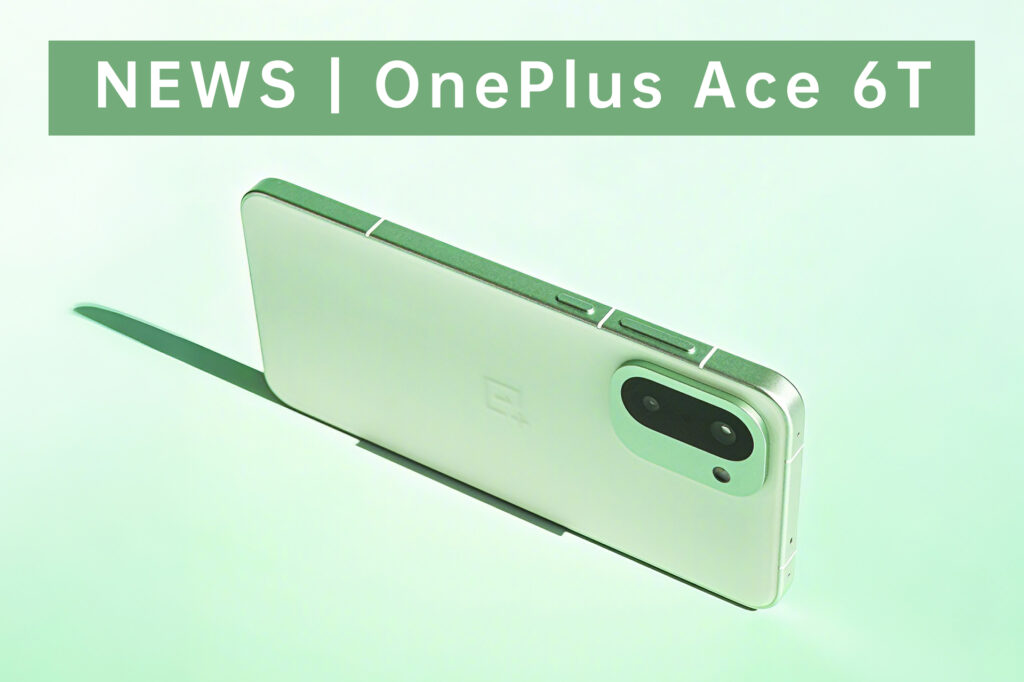
The OnePlus Ace 6T mobile phone is full of highlights and demonstrates outstanding performance in multiple aspects such as performance, screen, battery life, and imaging.
In terms of performance, it is the first in the world to be equipped with the Qualcomm Snapdragon 8 Gen 5 processor. This processor is manufactured using a 3nm process and is equipped with Qualcomm’s third-generation Oryon CPU, featuring 2 prime cores with a clock speed of 3.8 GHz and 6 performance cores with a clock speed of 3.32 GHz. Its benchmark scores surpass those of the Snapdragon 8 Supreme Edition. It also writes the new-generation “Windchaser Gaming Core” into the chip’s underlying layer. Paired with LPDDR5X Ultra memory + UFS 4.1 storage, it is the first in the industry to launch the native 165Hz high refresh rate mode for “Game for Peace”, delivering an exhilarating gaming experience.
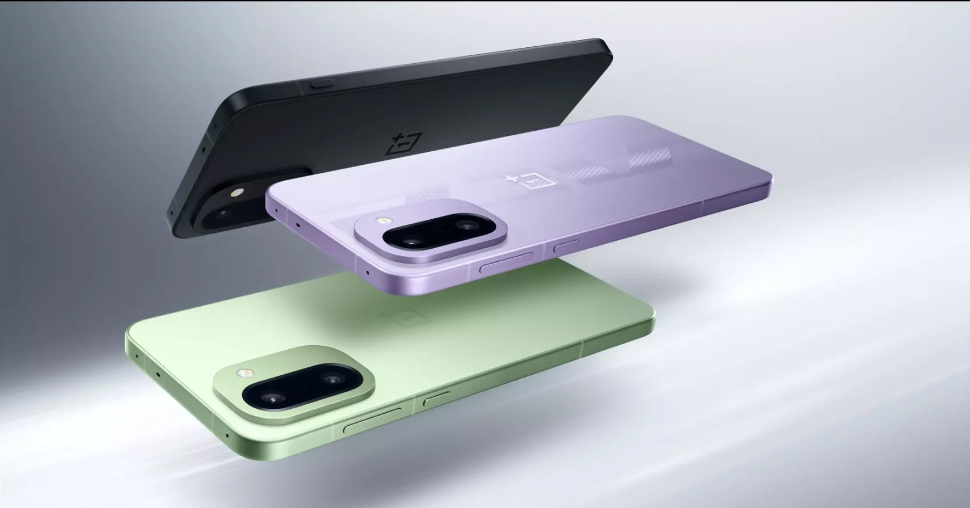
In terms of appearance, it is available in three colors: green, purple, and black. It is equipped with a “Metal Magic Cube” rear camera module. The front of the phone features a large straight screen with ultra-narrow bezels. The Shadowy Green and Lightning Black versions adopt a silk glass process, offering a delicate feel and saying goodbye to fingerprints. In addition, it also features IP66/68/69/69K full-level dust and water resistance, super-linear stereo dual speakers, a newly upgraded gyroscope, a 360° surround high-performance antenna system, and more. With comprehensive functions, it is a highly competitive mobile phone.
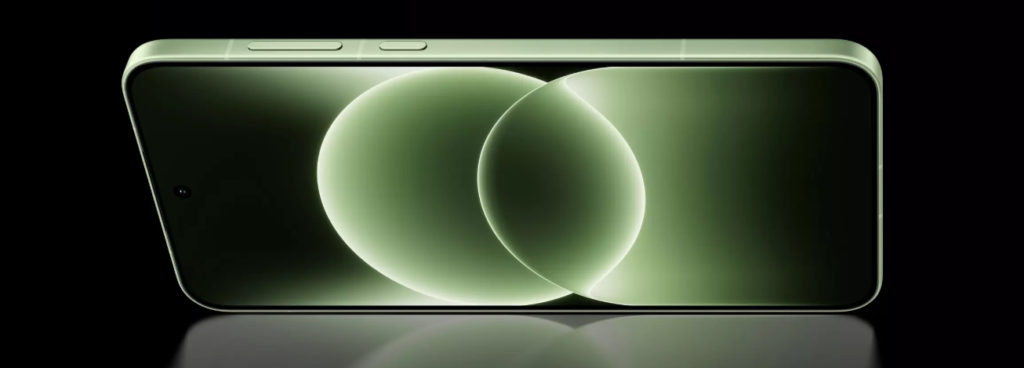
Regarding the screen, it is equipped with a 6.83-inch 165Hz high refresh rate screen, providing smooth and fluid visuals and an immersive viewing experience. It comes standard with 3D ultrasonic fingerprint recognition, supporting unlocking with wet or oily hands. The nighttime unlocking is not dazzling, making it convenient and user-friendly.
In terms of imaging, it is equipped with a 50-megapixel 1/1.56-inch Sony IMX906 sensor main camera, supporting OIS optical image stabilization, delivering clear and stable images.
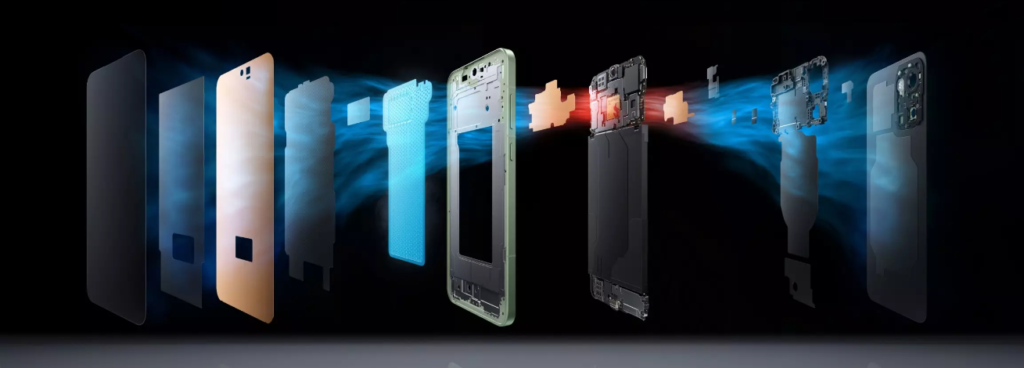
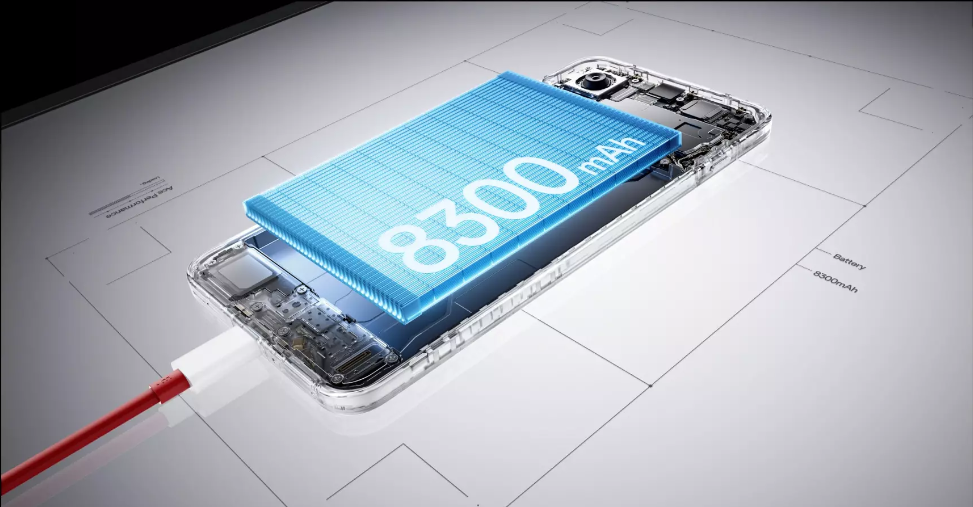
For battery life, it is the first in the world to launch an 8300mAh Glacier Battery, combined with 100W super flash charging, which can meet long-term usage needs and quickly recharge the battery.
ESD (Electrostatic Discharge) components are specialized electronic components designed to safeguard electronic devices from the damaging effects of electrostatic discharge. ESD is a sudden release of static electricity that can compromise the functionality or lifespan of sensitive electronic components. ESD components mitigate this risk by diverting, absorbing, or dissipating ESD events.
In mobile phones, ESD components are critical for protecting internal circuitry from ESD-induced damage. Due to the sensitivity of many components within a mobile phone, multiple ESD components are strategically placed to provide comprehensive protection. These components commonly include ESD diodes, TVS diodes, and other specialized protection devices.
Specifically, ESD components in mobile phones serve to protect various areas:
- Interface Protection: ESD protection is essential for interfaces such as charging ports, headphone jacks, and USB connectors to prevent damage from ESD events during connection.
- RF Circuit Protection: Radio Frequency (RF) circuits are highly susceptible to ESD and require dedicated ESD components to maintain signal integrity and prevent component failure.
- Processor and Memory Protection: Core components like processors and memory ICs require ESD protection to ensure reliable operation and data integrity.
- Touchscreen and Display Protection: Touchscreens and displays, integral to the user experience, are also vulnerable to ESD damage and are protected by dedicated ESD components.
In conclusion, ESD components are vital for protecting the internal electronics of mobile phones from ESD damage, ensuring their reliable operation, and extending their lifespan. Their strategic implementation is essential for maintaining device functionality and user satisfaction.