
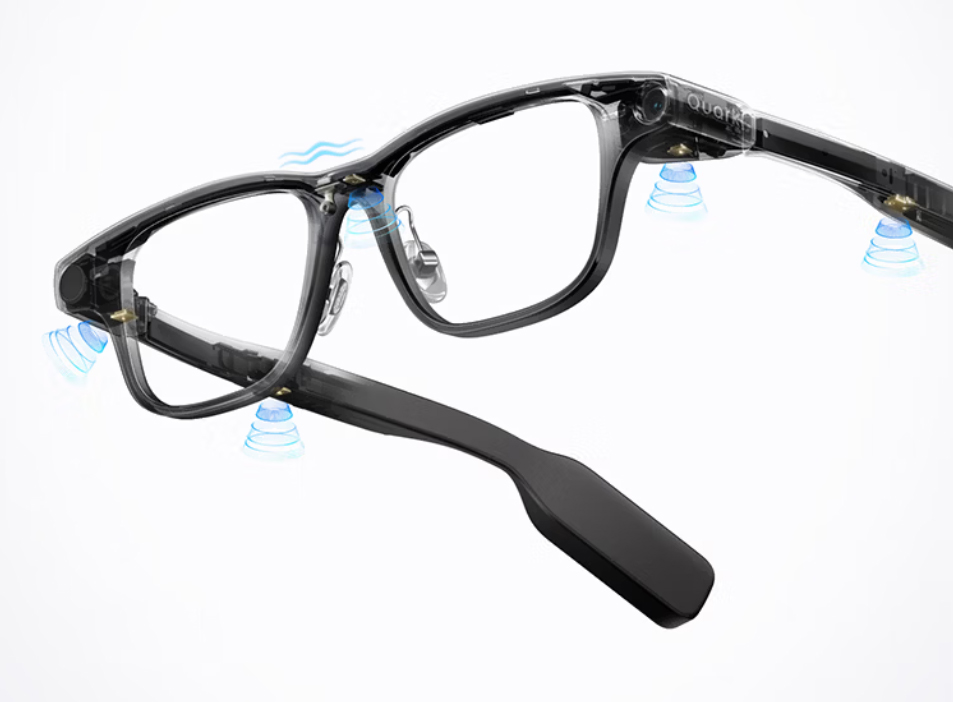
Recently, Alibaba’s first self-developed AI glasses, the Quark AI Glasses S1, have been officially launched.
In terms of wearing experience, it adopts a lightweight design. The thinnest part of the temple is only 7.5mm, and the thinnest part of the upper frame is 3.3mm, offering a wearing feel close to that of ordinary glasses. The hidden ratchet hinge and the titanium alloy integrated dual-material injection-molded temple frame are specially designed for Asian facial shapes. With a front-to-back weight ratio of 1:1, they provide a stable and comfortable fit.
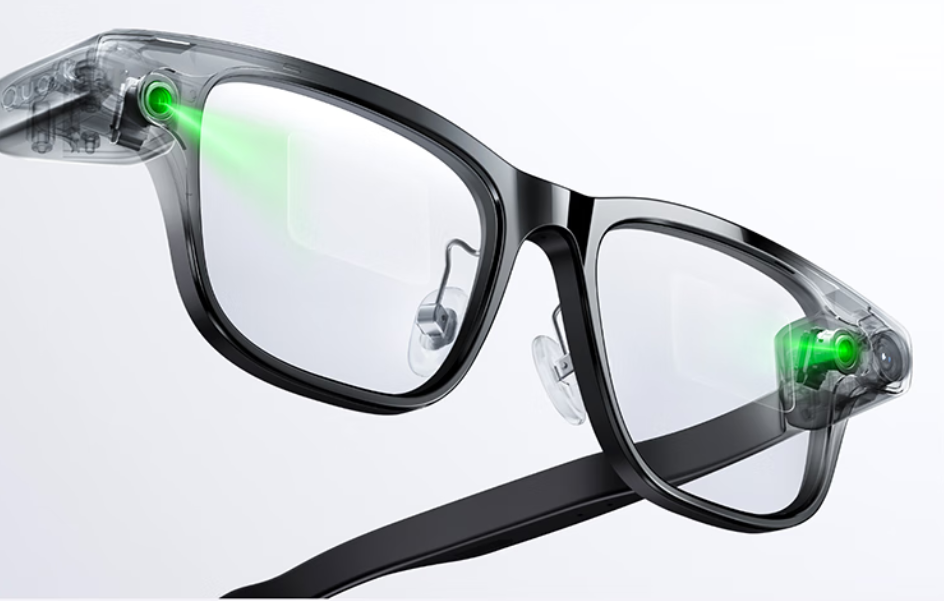
Display technology is a major highlight. It utilizes waveguide near-eye display technology paired with dual-light-engine displays, achieving a peak in-eye brightness of 4,000 nits. It also allows for adjustment of the image-combining distance, ensuring clear visuals that adapt to various scenarios. The integrated bonding and custom ultra-thin lens design solve the wearing challenges for myopic users.
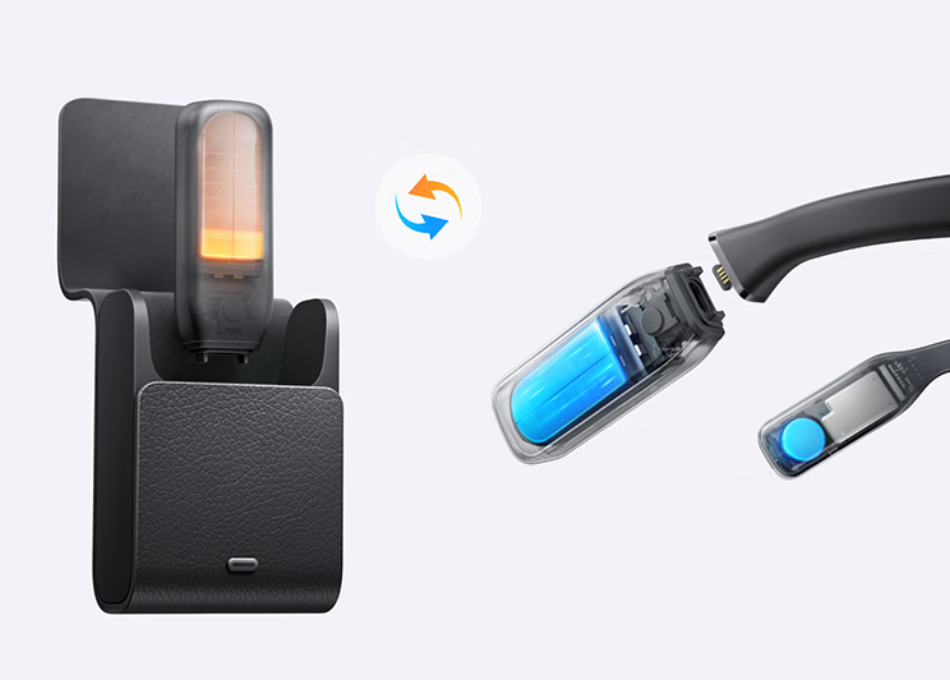
The performance configuration is powerful. It is equipped with dual flagship chips, the Qualcomm AR1 and the BES2800 from BES Technic, enabling flexible switching between the Android and RTOS systems. The 3GB + 32GB storage capacity meets daily usage needs. The 287mAh dual-battery system offers a claimed combined battery life of 7 hours. Its unique replaceable battery design makes “uninterrupted power during battery swaps and unlimited endurance” possible, with the batteries cleverly placed within the temples.
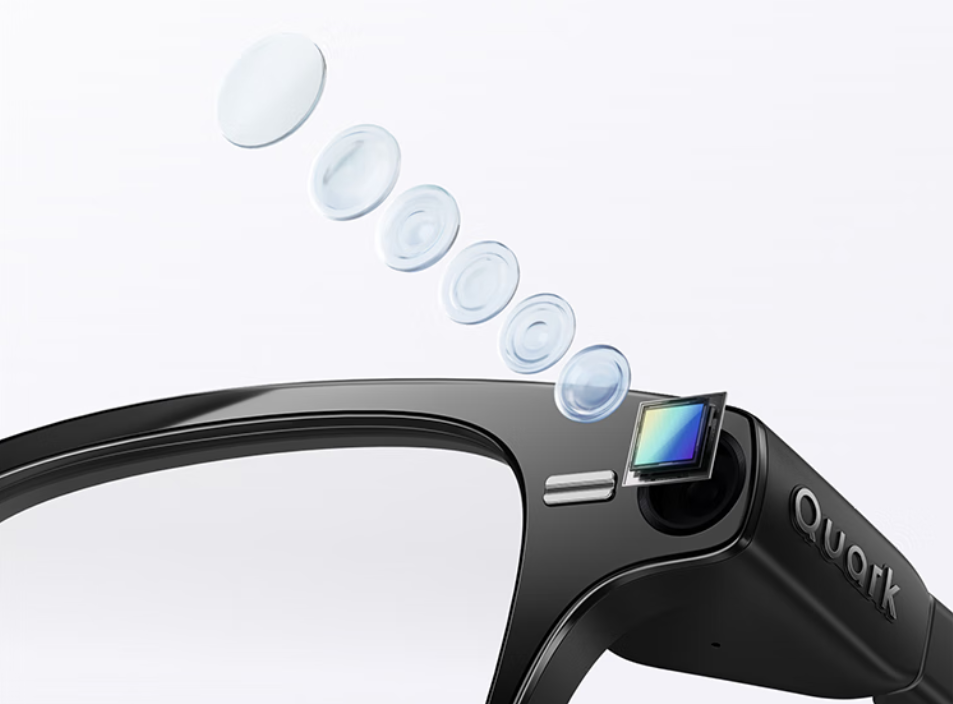
The shooting function is outstanding. The device features a built-in 12-megapixel Sony IMX681 sensor camera with dual anti-shake technology. It supports direct 3K video output, enabling rapid snapshots, super night scenes, and first-person perspective live streaming, making it easy to capture life’s highlights.
The audio and sound pickup systems are also impressive. The 0.5mm custom units, professionally tuned, support spatial audio and directional sound transmission. The combination of five microphones and a bone conduction microphone ensures clear sound pickup in noisy environments.
The software features are rich and practical. The custom UI comes with exclusive fonts. The built-in AI object recognition function can identify various objects. Multiple translation modes meet different needs. The memo reminder function keeps life organized. The secure payment function makes shopping and traveling more convenient. The AutoNavi near-eye navigation system provides precise guidance by following head movements. Additionally, the “quark Classmate” AI assistant, built on Alibaba’s Qianwen model, can be awakened at any time for various dialogue and Q&A sessions.
Portable devices like smart glasses and smartwatches require robust ESD (Electrostatic Discharge) protection at critical circuit nodes:
- Interface Sections (USB, Headphone/SIM Jacks): As frequent points of physical contact, these I/O ports are highly vulnerable to ESD transients. Placing TVS (Transient Voltage Suppressor) diodes nearby provides a low-impedance path to shunt ESD currents away from sensitive internal circuits, clamping the voltage to a safe level.
- Signal Transmission Lines:
- High-Speed Differential Lines (e.g., HDMI, USB 3.0): These lines demand high signal integrity and controlled impedance. Low-capacitance TVS diodes are used at entry points to block ESD without adding significant parasitic capacitance, which could cause signal attenuation or jitter, thus ensuring stable data transmission.
- Analog Lines (e.g., Audio): Analog signals are sensitive to voltage fluctuations and noise. Bidirectional ESD protection diodes are typically used to prevent voltage transients in both positive and negative polarities from interfering with the signals, ensuring clear and stable audio quality.
- Power Supply Entry: The power input is a major pathway for ESD and surge events. Protection devices like MOVs (Metal Oxide Varistors) or TVS diodes are installed here to clamp overvoltages, safeguarding the PMIC (Power Management IC) and downstream load circuits. They are typically placed before LC or π-type power filters for optimal performance and to provide a stable and reliable power input for the entire system.
- User Interface (Buttons, Touchscreens): These are direct user interaction points and common ESD entry paths. ESD protection devices are placed near the button controller’s GPIO pins or at the touchscreen controller interface to prevent latch-up and physical damage, ensuring reliable operation.
