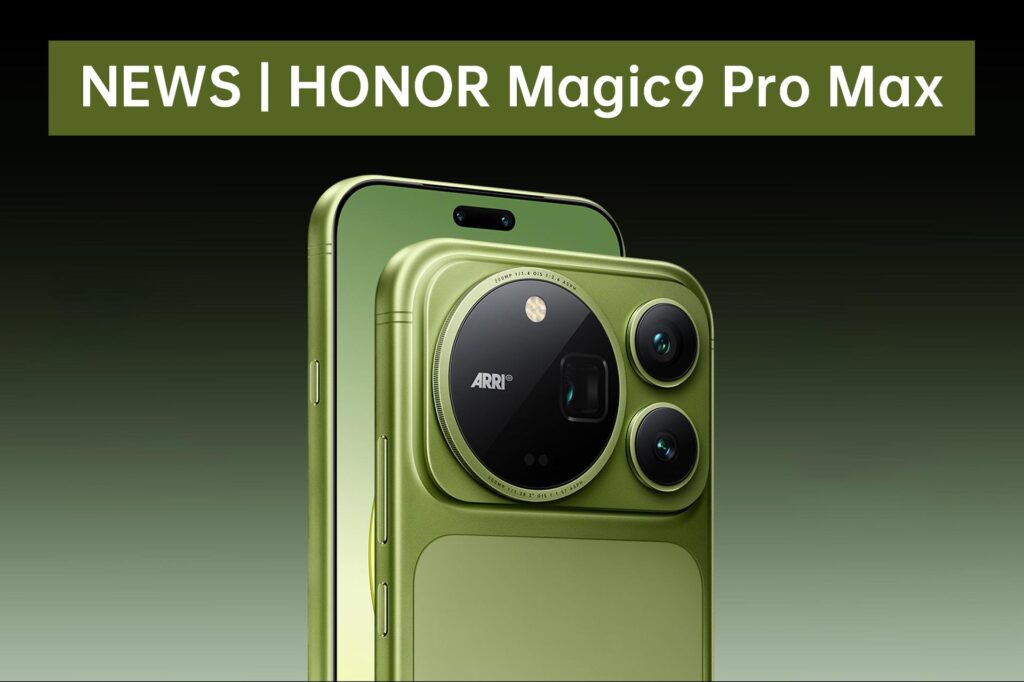
HONOR has officially unveiled its annual flagship smartphone, the Magic9 Pro Max. The device is among the first to feature Qualcomm’s inaugural 2nm flagship SoC — the Snapdragon 8 Elite Extreme Gen 6 — with a CPU clock speed of up to 5GHz and 18MB of dedicated high-speed GPU memory, placing it firmly at the top tier of Android performance.
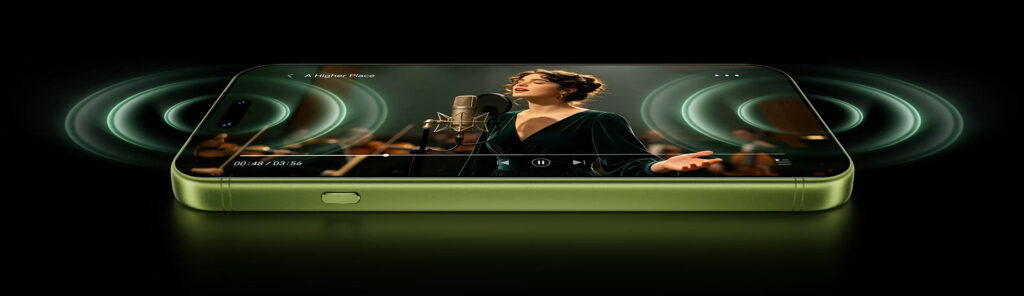
On the display front, the phone sports a new-generation 6.8-inch Ultra Black Diamond screen, boasting an industry-lowest 1.5% reflectance and an industry-highest peak brightness of 10,000 nits. It supports 1-120Hz LTPO adaptive refresh rates and 4,320Hz high-frequency PWM dimming. Thanks to a 5,600-layer silicon nitride structure and coating process, the screen offers 15x better scratch resistance and 25x improved drop protection, while earning TÜV Rheinland Full-Screen Eye Comfort 6.0 certification and featuring circularly polarized light technology for effective eye protection.
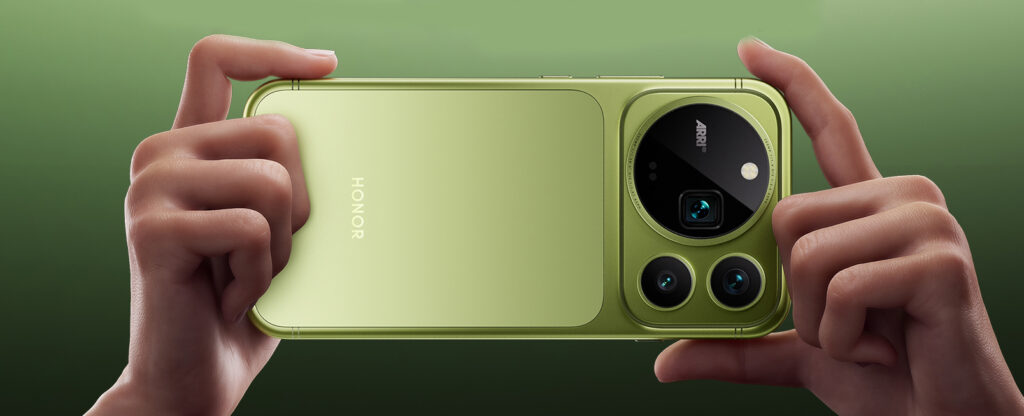
Imaging is one of the device’s biggest highlights. HONOR has partnered with German cinema camera maker ARRI to create a cinematic imaging system with a dual 200MP setup: the main camera is a 200MP, 1/1.28-inch large-sensor gimbal-stabilized shooter, while the telephoto is a 200MP, 1/1.4-inch periscope “Super Night Vision” lens — both supporting the industry-leading CIPA 8.0 stabilization rating. Paired with HONOR’s self-developed imaging chip, the HONOR LUMINA H1, the phone forms the industry’s only dual-200MP dual-chip imaging system. It supports the ARRI LogC3 color curve and 87 ARRI Looks, and adds a cinematic shotgun-mic recording system with a pickup range of up to 20 meters. HONOR is also debuting a 500mm telephoto range extender — the HONOR Telephoto Extender G500 — alongside a 55MP front-facing “Luminous Eye” selfie camera.
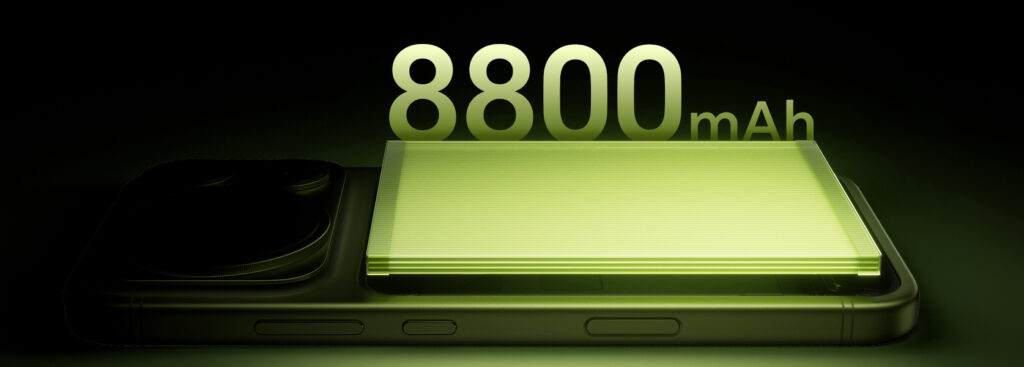
For battery life, the Qinghai Lake Blade Battery makes its debut in a slab-style flagship. The phone packs a new-generation 8,800mAh battery with an industry-leading energy density of 1,000Wh/L and 40% silicon content, supporting 100W wired fast charging, 80W wireless charging, and 50W wireless car charging — easily delivering a full day of heavy use on a single charge.
Connectivity and durability are equally comprehensive: a Unibody all-metal frame houses parallel dual-rail micro-slit antennas just 0.4mm wide, complemented by HONOR’s Hongyan seven-core RF architecture and the third-generation RF enhancement chip C3. The device also features the industry’s only combination of 3D face recognition and 3D ultrasonic in-display fingerprint unlocking, with full IP68/IP69/IP69K dust and water resistance.
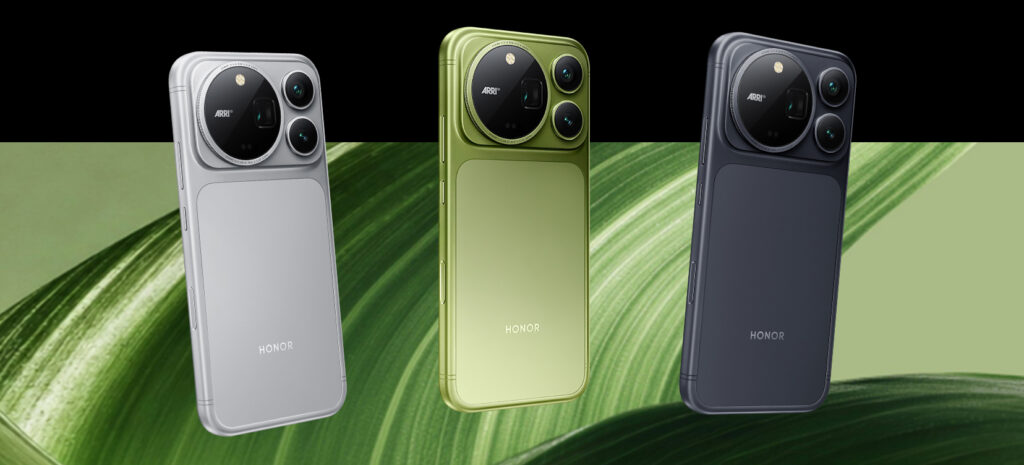
The phone comes in three colorways — Cyan, Black, and Silver — with the Cyan edition paying tribute to vintage photography equipment, crafted using hot-forged aluminum unibody construction.
……………………………………………………Electrostatic Protection Knowledge……………………………………………………
ESD (Electrostatic Discharge) components are specialized electronic components designed to safeguard electronic devices from the damaging effects of electrostatic discharge. ESD is a sudden release of static electricity that can compromise the functionality or lifespan of sensitive electronic components. ESD components mitigate this risk by diverting, absorbing, or dissipating ESD events.
In mobile phones, ESD components are critical for protecting internal circuitry from ESD-induced damage. Due to the sensitivity of many components within a mobile phone, multiple ESD components are strategically placed to provide comprehensive protection. These components commonly include ESD diodes, TVS diodes, and other specialized protection devices.
Specifically, ESD components in mobile phones serve to protect various areas:
- Interface Protection: ESD protection is essential for interfaces such as charging ports, headphone jacks, and USB connectors to prevent damage from ESD events during connection.
- RF Circuit Protection: Radio Frequency (RF) circuits are highly susceptible to ESD and require dedicated ESD components to maintain signal integrity and prevent component failure.
- Processor and Memory Protection: Core components like processors and memory ICs require ESD protection to ensure reliable operation and data integrity.
- Touchscreen and Display Protection: Touchscreens and displays, integral to the user experience, are also vulnerable to ESD damage and are protected by dedicated ESD components.
In conclusion, ESD components are vital for protecting the internal electronics of mobile phones from ESD damage, ensuring their reliable operation, and extending their lifespan. Their strategic implementation is essential for maintaining device functionality and user satisfaction.
……………………………………………………………………Company Profile……………………………………………………………………
JY Electronics serves a global customer base across the automotive, industrial & power, computing, consumer, and mobile & wearables industries. Our extensive product portfolio includes Schottky diodes, TVS and ESD protection devices, MOSFETs, LDOs, power ICs, battery protection & segment driver ICs, industrial & automotive-grade sensors, high-side switches (HSD), current sensors, and automotive switch input chips. We are committed to continuous innovation, delivering high-quality products that empower our customers to develop energy-efficient and sustainable solutions.
For samples or a quotation, please contact us at market@jy-electronics.com.cn.