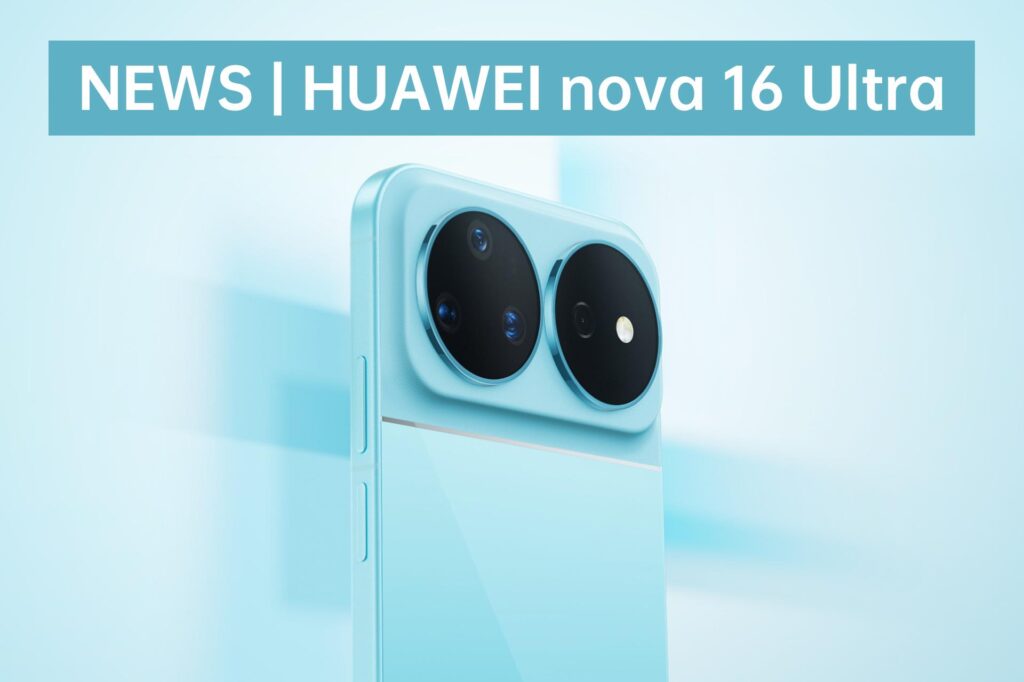
Huawei’s nova 16 Ultra has been officially unveiled. As a milestone flagship celebrating the nova series’ 10th anniversary, this new device brings leapfrog breakthroughs across imaging, battery life, display, and detail experiences.
Imaging is its ultimate weapon, achieving a dual evolution in color and composition. The rear triple-camera system is undeniably luxurious: the 200MP RYYB main camera (1/1.28-inch large sensor, f/1.8 aperture, OIS) delivers staggering resolution and light intake; paired with a 50MP RYYB periscope telephoto (3.7x optical zoom, 100x digital zoom) that brings distant subjects within reach; and a 50MP ultra-wide macro to expand creative boundaries. Even more impressive, both the front and rear lenses feature Huawei’s Red Maple Original Color lens, utilizing 1.5 million multispectral channels to boost color restoration accuracy by 120%. When shooting architectural textures or telephoto close-ups during the day, details are impeccably rendered with vivid and delicate colors. Objectively, however, night-time telephotography remains a weak point; noise control and purity in low-light environments still leave room for improvement.
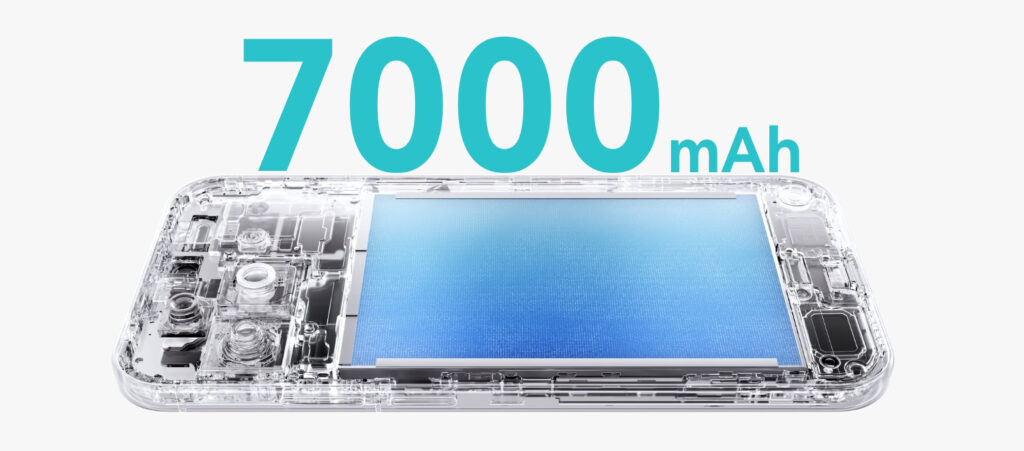
Battery life and fast charging are rare in its class, completely banishing range anxiety. The 7000mAh Giant Whale battery sets a record for the largest capacity in nova history, providing solid backing for all-day heavy use. Paired with 100W Super Wired Fast Charging (reaching over 80% in about 30 minutes) and 50W Wireless Fast Charging, the power-up speed is incredibly swift. Whether it’s for long trips or back-to-back tasks, lasting a whole day is completely stress-free.
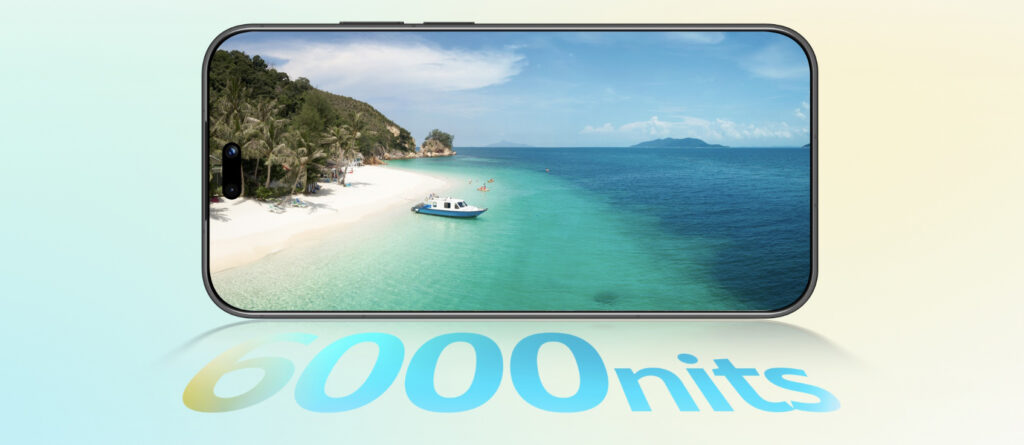
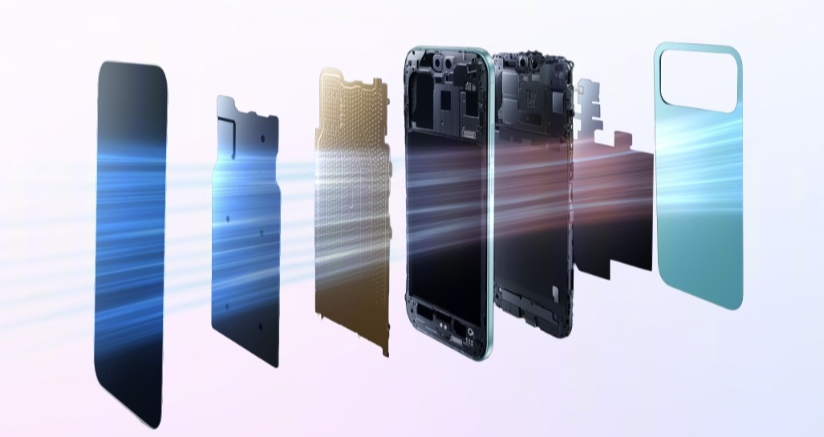
Display and performance are equally solid, balancing fluidity and visuals. The front boasts a 6.84-inch 1.5K LTPO OLED display, supporting a 1-120Hz adaptive refresh rate that balances buttery smoothness with power consumption; 6000 nits of peak brightness fears no harsh sunlight, while 1440Hz high-frequency PWM dimming effectively protects the eyes. At its core, the Kirin 9010S chip joins forces with HarmonyOS 6.1 and the Ark Engine for highly efficient underlying scheduling; combined with the Ice Bridge cooling architecture, it maintains stable frame rates even during extended sessions of large mobile games, staying cool and calm under high loads.
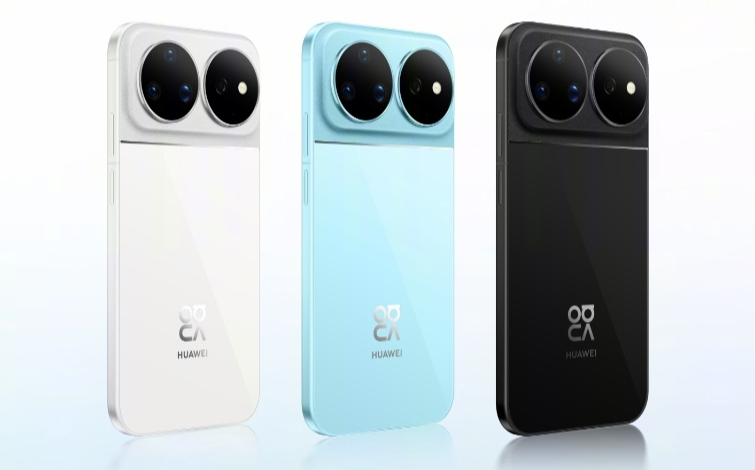
Detail experiences are maxed out, leaving no flagship feature behind. IP68/IP69 dust and water resistance defies harsh environments; Beidou satellite messaging + Tiantong satellite calling keeps you connected even offline; plus, cutting-edge technologies like NearLink 2.0, Wi-Fi 7, and 5A communication are all on board. In terms of design, it adopts an exquisite leather-and-glass spliced back panel, available in Blue, White, and Black, perfectly blending ultra-high recognizability with a warm, comfortable grip.
……………………………………………………Electrostatic Protection Knowledge……………………………………………………
ESD (Electrostatic Discharge) components are specialized electronic components designed to safeguard electronic devices from the damaging effects of electrostatic discharge. ESD is a sudden release of static electricity that can compromise the functionality or lifespan of sensitive electronic components. ESD components mitigate this risk by diverting, absorbing, or dissipating ESD events.
In mobile phones, ESD components are critical for protecting internal circuitry from ESD-induced damage. Due to the sensitivity of many components within a mobile phone, multiple ESD components are strategically placed to provide comprehensive protection. These components commonly include ESD diodes, TVS diodes, and other specialized protection devices.
Specifically, ESD components in mobile phones serve to protect various areas:
- Interface Protection: ESD protection is essential for interfaces such as charging ports, headphone jacks, and USB connectors to prevent damage from ESD events during connection.
- RF Circuit Protection: Radio Frequency (RF) circuits are highly susceptible to ESD and require dedicated ESD components to maintain signal integrity and prevent component failure.
- Processor and Memory Protection: Core components like processors and memory ICs require ESD protection to ensure reliable operation and data integrity.
- Touchscreen and Display Protection: Touchscreens and displays, integral to the user experience, are also vulnerable to ESD damage and are protected by dedicated ESD components.
In conclusion, ESD components are vital for protecting the internal electronics of mobile phones from ESD damage, ensuring their reliable operation, and extending their lifespan. Their strategic implementation is essential for maintaining device functionality and user satisfaction.
……………………………………………………………………Company Profile……………………………………………………………………
JY Electronics serves a global customer base across the automotive, industrial & power, computing, consumer, and mobile & wearables industries. Our extensive product portfolio includes Schottky diodes, TVS and ESD protection devices, MOSFETs, LDOs, power ICs, battery protection & segment driver ICs, industrial & automotive-grade sensors, high-side switches (HSD), current sensors, and automotive switch input chips. We are committed to continuous innovation, delivering high-quality products that empower our customers to develop energy-efficient and sustainable solutions.
For samples or a quotation, please contact us at market@jy-electronics.com.cn.