
Electrostatic Discharge (ESD) and Electrical Overstress (EOS) act as “invisible assassins” lurking within electronic devices. In highly sensitive, high-frequency applications like RF antenna ports, poorly implemented protection schemes can easily degrade device performance. Today, we’ll explore why silicon-based ESD protection devices are rapidly replacing traditional polymer solutions to become the new gold standard for RF protection.
Why Traditional Polymer Solutions Are Falling Behind
Polymer ESD devices once held a significant share of the RF antenna protection market. However, as technology evolves and application demands increase, their limitations have become glaring:
High Trigger Voltage and Slow Response: Relying on physical material breakdown or polarization, these devices react slowly to electrostatic strikes and require high trigger voltages. This delayed response prevents them from shunting ESD energy quickly enough, compromising overall protection.
Limited Lifespan and High Risk: Material aging is a critical flaw. Over time, their protective capability degrades significantly or fails entirely—a major red flag for devices like smartphones and IoT terminals that require long-term reliability.
Single-Functionality: They only guard against ESD and offer no protection against power surges (EOS), leaving devices vulnerable in complex electromagnetic environments.
Silicon-Based ESD: Three Core Advantages of Semiconductor-Grade Protection
Built on solid-state silicon avalanche technology, silicon-based ESD solutions address the pain points of polymer devices head-on, delivering robust protection for RF antenna ports. Here is where they shine:
1. Superior Protection: Low Trigger, Fast Response, Stable Clamping
Silicon-based ESD devices feature low, tunable trigger voltages and ultra-fast turn-on times (in the nanosecond range). By maintaining stable clamping voltages, they instantly suppress transient voltage overshoots, effectively shielding sensitive downstream circuits like Low Noise Amplifiers (LNAs).
2. Exceptional Lifespan: “Zero Degradation” After 10,000 Cycles
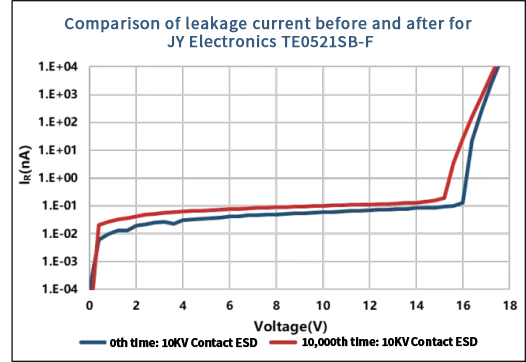
The following charts illustrate the leakage current of JY Electronics’ silicon-based ESD device (Model: TE0521SB-F) under 8kV and 10kV IEC 61000-4-2 contact ESD testing.
As shown, polymer-based materials exhibit significant leakage current degradation after just 3,000 contact discharge cycles. This causes impedance mismatch at the RF antenna port, disrupting normal signal transmission. Furthermore, polymer devices showed flashover during testing and capacitance drift post-testing, highlighting their instability under prolonged ESD stress.
In stark contrast, JY Electronics’ silicon-based solution maintains stable leakage current even after 10,000 contact discharge cycles. For consumer electronics and industrial equipment requiring long-term uptime, this longevity directly translates to product reliability and brand reputation.
3. Dual Protection: ESD + Surge Immunity
While polymer devices only handle static electricity, silicon-based ESD devices defend against both ESD and surge impacts (EOS). This dual-action approach provides comprehensive protection against complex electromagnetic interference. Better yet, it eliminates the need for designers to add separate surge protection components, saving valuable board space and BOM costs.
Hardcore Specs: Just How Powerful Is Silicon-Based ESD?
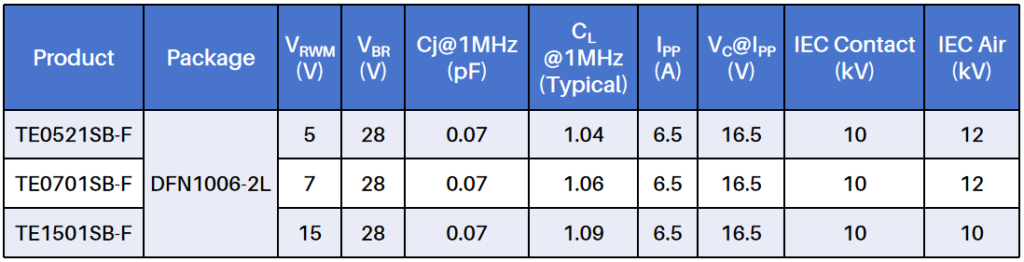
Take JY Electronics’ ultra-low capacitance, high-performance silicon-based ESD portfolio (Models: TE0521SB-F, TE0701SB-F, TE1501SB-F in a DFN1006-2L package). These devices are veritable “all-around warriors”:
1.Ultra-Low Capacitance (0.07pF):
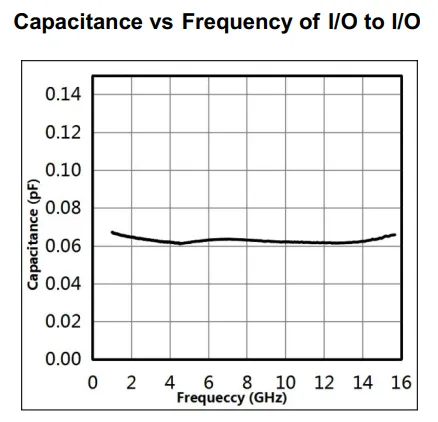
Leveraging JY Electronics’ proprietary patented technology, the extremely low parasitic capacitance ensures virtually zero signal loss in high-frequency RF scenarios, perfectly matching the high-bandwidth demands of modern antenna ports.
2.Superior Capacitance Linearity (1.04):
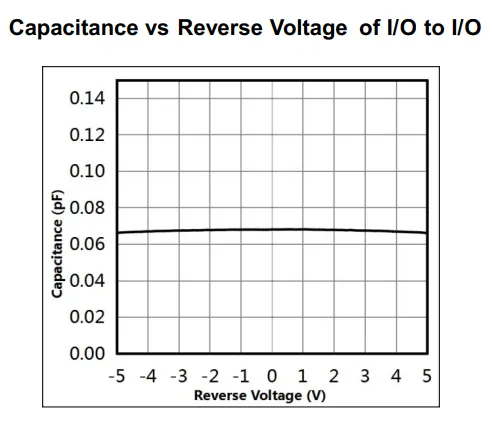
With a typical linearity of 1.04 @ 1MHz, it minimizes harmonic interference and maintains balanced impedance matching.
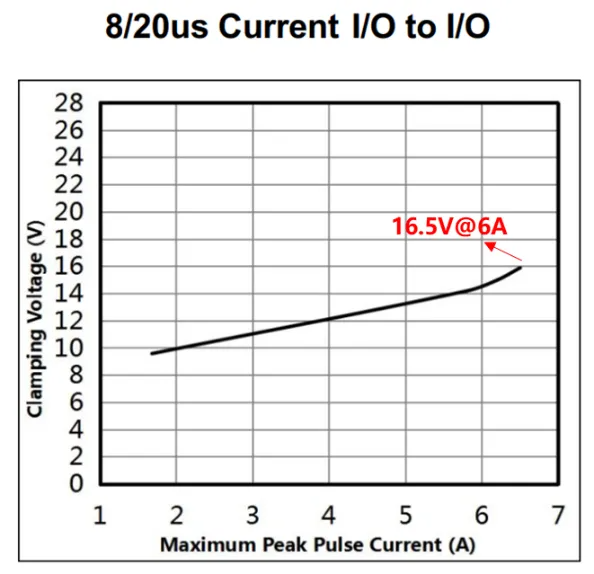
3.Robust Surge Protection (6.5A):
When facing sudden surge events, the clamping voltage remains steady at 16.5V, securely protecting downstream circuits.
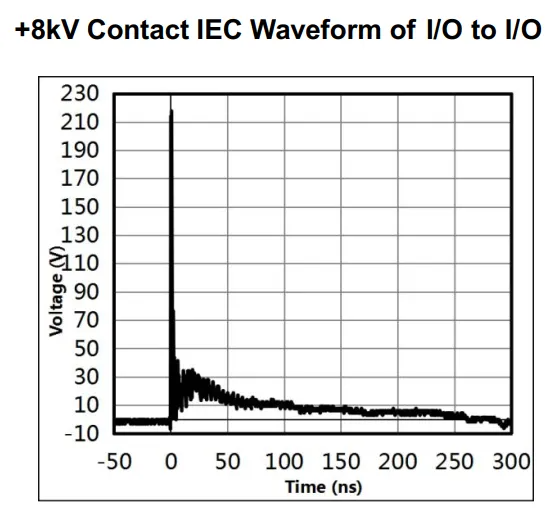
4.High ESD Immunity (10kV Contact / 12kV Air):
Engineered to withstand severe electrostatic strikes, remaining rock-solid even in the most demanding ESD environments.
Choose the Right Protection to Leave
“Invisible Assassins” Nowhere to HideIn demanding environments like RF antenna ports, silicon-based ESD solutions are decisively replacing traditional polymers. With their nanosecond response times, 10,000-cycle reliability, and dual ESD/surge capabilities, they offer a next-generation defense. If you are still struggling with RF ESD protection, it’s time to upgrade to silicon-based ESD—ensuring your devices deliver peak high-frequency performance without compromising on safety.
……………………………………………………………………Company Profile……………………………………………………………………
JY Electronics serves a global customer base across the automotive, industrial & power, computing, consumer, and mobile & wearables industries. Our extensive product portfolio includes Schottky diodes, TVS and ESD protection devices, MOSFETs, LDOs, power ICs, battery protection & segment driver ICs, industrial & automotive-grade sensors, high-side switches (HSD), current sensors, and automotive switch input chips. We are committed to continuous innovation, delivering high-quality products that empower our customers to develop energy-efficient and sustainable solutions.
For samples or a quotation, please contact us at market@jy-electronics.com.cn.