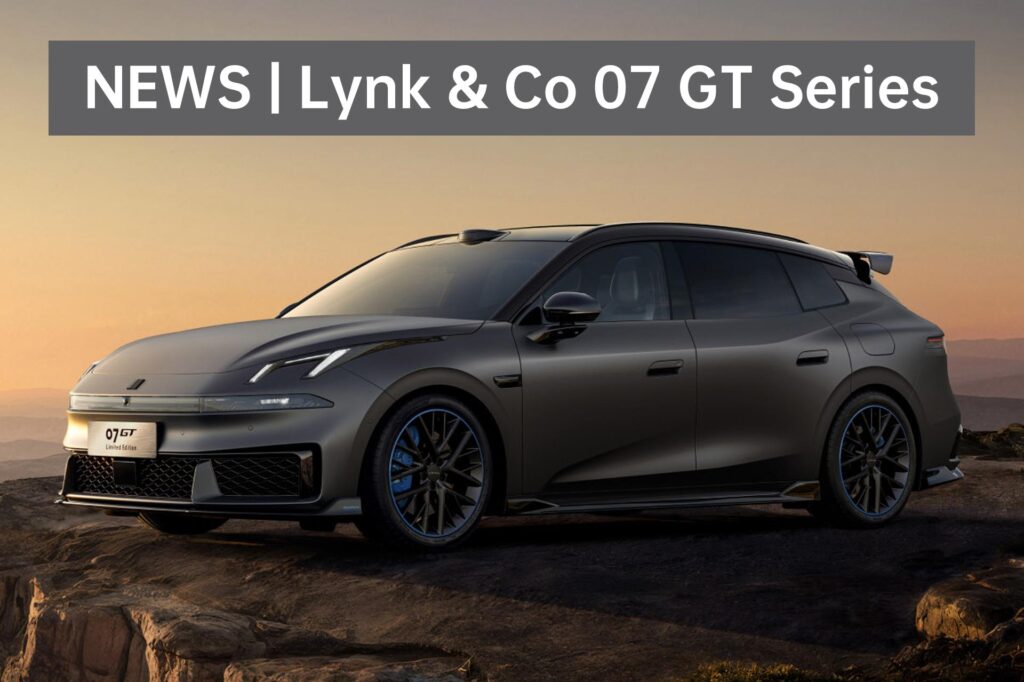

Lynk & Co’s first-ever estate car, the 07GT, has officially hit the market, launching with three variants: the AWD Performance Ultra, the 200km Long Range Ultra, and the 200km Long Range Max.
In terms of styling, the new model inherits the “The Next Day” design language. It features “Dawn” daytime running lights composed of 94 LEDs and “Wind Chasing” sculpting inspired by the checkered flag. Customers can choose from six colors, including Pamir Blue. Measuring 4846×1900×1485mm with a 2843mm wheelbase, the car comes equipped with a LiDAR unit, semi-flush door handles, and a 1.9m² heat-insulated panoramic roof, finished with an electric tailgate at the rear.
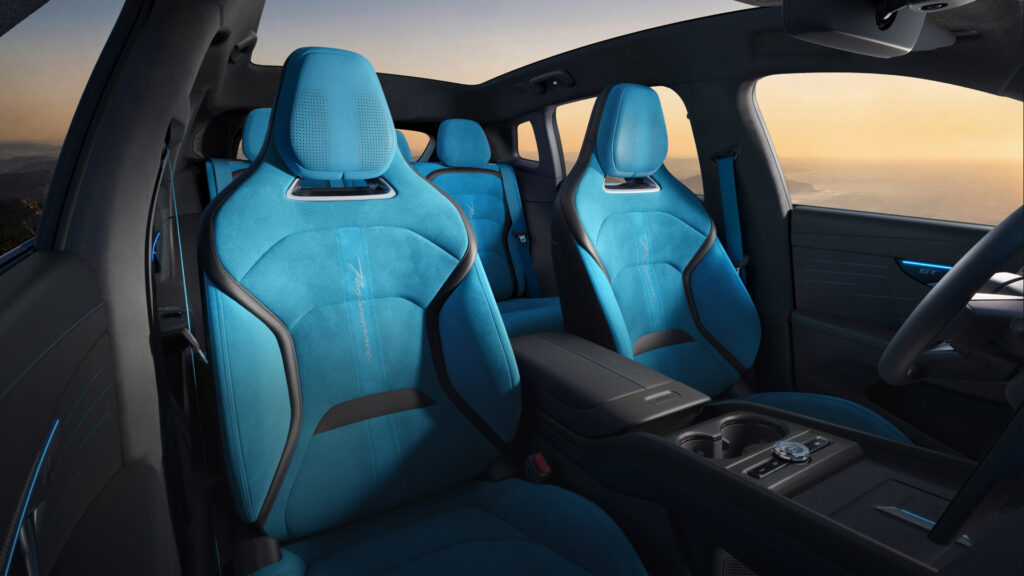
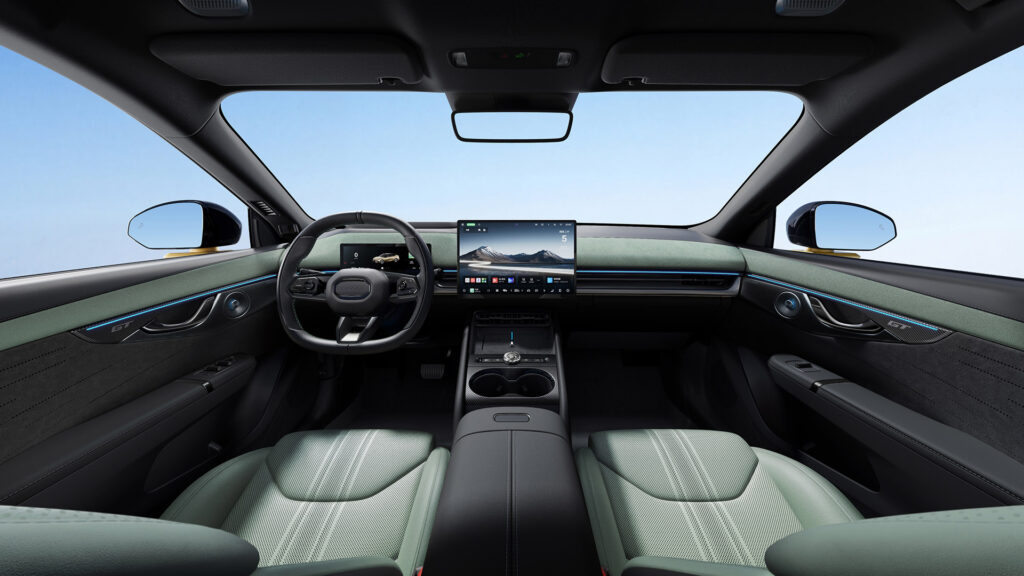
Inside, the 07GT offers five interior themes. It boasts a 15.4-inch 2.5K central screen, an AR-HUD, and the LYNK Flyme Auto 2.5 system. Nappa leather bucket seats are standard across the range; the front seats offer 12-way electric adjustment along with heating, ventilation, and massage functions, while the rear seats feature stepless electric recline adjustment. Additionally, the vehicle is equipped with a 5.5L car refrigerator and a 23-speaker Harman Kardon audio system, with a standard LiDAR sensor and the Qianli Haoan H5 driver assistance system.
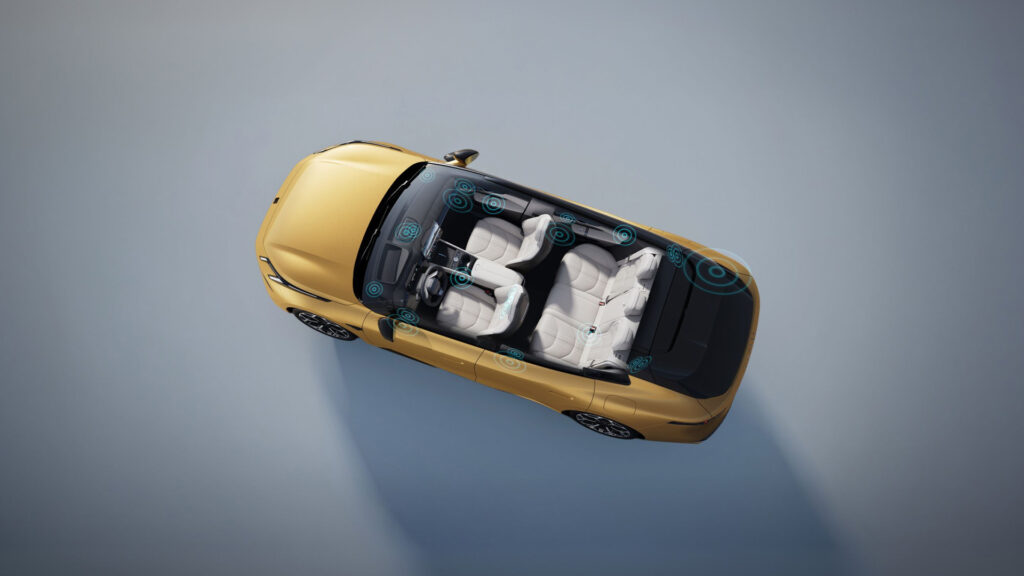
The chassis and space are standout features of the model. The entire lineup comes standard with FSD variable damping suspension, while the AWD version upgrades to segment-exclusive MRC magnetorheological suspension. It offers 614L of storage space (expanding to 1665L) and a hidden electric tow hook.
Notably, it achieved an 85km/h result in the moose test, ranking first among global estate cars. Power comes from the EM-P intelligent hybrid system, with the AWD version delivering a maximum power of 390kW and a 0-100km/h acceleration in the 4-second range. All variants utilize a 28.3kWh battery, with the FWD version offering a CLTC pure electric range of 200km and a comprehensive range of 1422km.
……………………………………………………Electrostatic Protection Knowledge……………………………………………………
Electrostatic discharge (ESD) and electrical surges are common transient high-voltage phenomena in automotive electrical systems. They are capable of damaging sensitive electronic components, triggering system failures, and even posing serious safety hazards. To address this, TVS (Transient Voltage Suppression) diodes and ESD (Electrostatic Discharge) protection components have been developed. As specially designed protection devices, their primary role is to safeguard automotive electronic equipment from such electrical shocks. TVS & ESD components, through their extremely fast response speed, clamp transient overvoltages to a safe level and divert the surge current to ground, thereby providing effective protection for downstream circuitry.
Within the automotive electronic architecture, TVS & ESD components are crucial for ensuring the stable operation of internal precision systems. As modern vehicles integrate a large number of control units and sensors that are highly sensitive to electrical interference, these components must be deployed at multiple critical nodes to build a comprehensive protection network. The protected systems cover all areas, from the powertrain to in-vehicle infotainment.
Specifically, TVS & ESD components in automobiles serve the following primary protective functions:
- Communication Bus Protection: Communication buses such as CAN, LIN, Automotive Ethernet, and RS232/485, which act as the vehicle’s “neural network,” are highly susceptible to interference from ESD and surges. TVS & ESD components ensure the integrity and stability of data transmission, preventing communication errors or interruptions.
- Core Safety System Protection: Core safety systems that are directly related to driving safety—such as the powertrain, Battery Management System (BMS), braking system, and radar—must rely on TVS & ESD components for protection to prevent critical functional failures caused by electrical interference.
- Interface and Peripheral Protection: External connection points like charging ports, keyless entry receivers, side-view cameras, and other cameras are primary pathways for ESD intrusion. TVS & ESD components can effectively block these paths, preventing damage to internal circuitry during connection events.
- Lighting and Display System Protection: In-vehicle display navigation and lighting systems also require protection to avoid damage such as burnt-out LEDs, display malfunctions, or permanent failure caused by transient high voltages.
In summary, TVS & ESD components play an indispensable role in ensuring the reliability of automotive electronic systems, reducing the total cost of ownership, and safeguarding the safety of drivers and passengers. As the level of automotive electronics and intelligence continues to increase, the proper deployment of these protection components has become a key element in enhancing overall vehicle quality and building user trust.
……………………………………………………………………Company Profile……………………………………………………………………
JY Electronics serves a global customer base across the automotive, industrial & power, computing, consumer, and mobile & wearables industries. Our extensive product portfolio includes Schottky diodes, TVS and ESD protection devices, MOSFETs, LDOs, power ICs, battery protection & segment driver ICs, industrial & automotive-grade sensors, high-side switches (HSD), current sensors, and automotive switch input chips. We are committed to continuous innovation, delivering high-quality products that empower our customers to develop energy-efficient and sustainable solutions.
For samples or a quotation, please contact us at market@jy-electronics.com.cn.