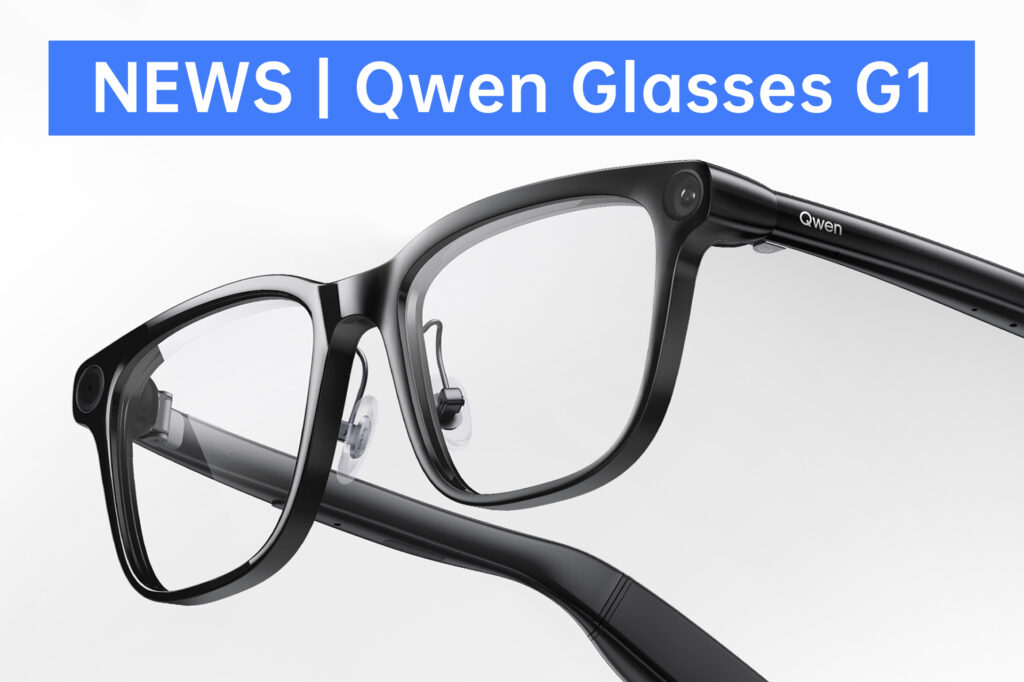
Qwen Glasses G1 is Alibaba’s first AI hardware product, emerging as a new star in the AI hardware market thanks to its lightweight design, top-tier hardware configuration, and a wide range of functions.
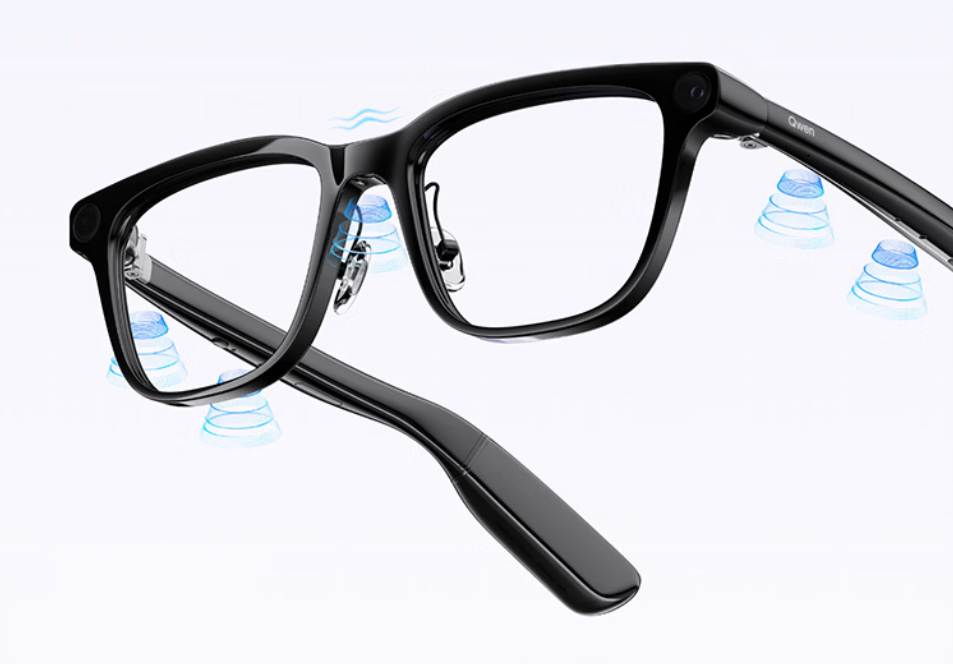
The G1 series glasses showcase unique ingenuity in hardware design. Weighing only approximately 40 grams, they offer a wearing experience similar to that of ordinary optical glasses. When paired with a swan-neck adjustable support and FDA food-grade silicone nose pads, they can meet the needs of all-day comfortable wearing. They employ a dual-flagship-chip dual-system, complemented by a five-microphone array with bone conduction technology, as well as high-performance acoustic hardware featuring large diaphragms, delivering a clear and transparent audio experience to users.
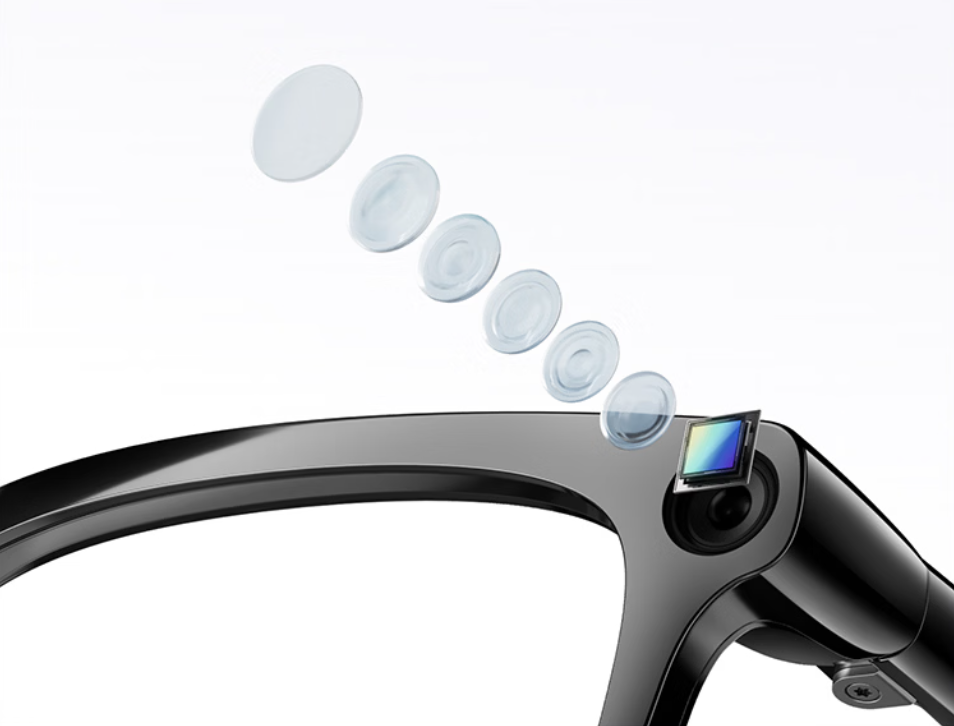
The image capture technology is a major highlight of the G1. It is equipped with mobile-phone-level imaging technology, supporting ultra-fast 0.6-second snapshots and 3K video recording. Moreover, it can output 4K videos through AI super-resolution and super-framing technology, making captured images clearer and more detailed. Meanwhile, the industry’s pioneering Super RAW low-light enhancement technology significantly improves image quality and stability in low-light conditions, enabling high-quality photo and video capture even in poorly lit scenes. Additionally, the built-in 64GB storage space extends continuous shooting time, eliminating the need for users to frequently clear storage.
In terms of smart ecosystem integration, the G1 series glasses serve as a crucial vehicle for Qwen to “step out of mobile phones and enter the physical world.” They will be fully integrated with the Qwen app, gradually introducing “task-oriented” functions such as hotel booking and ride-hailing to provide users with more convenient daily life services.
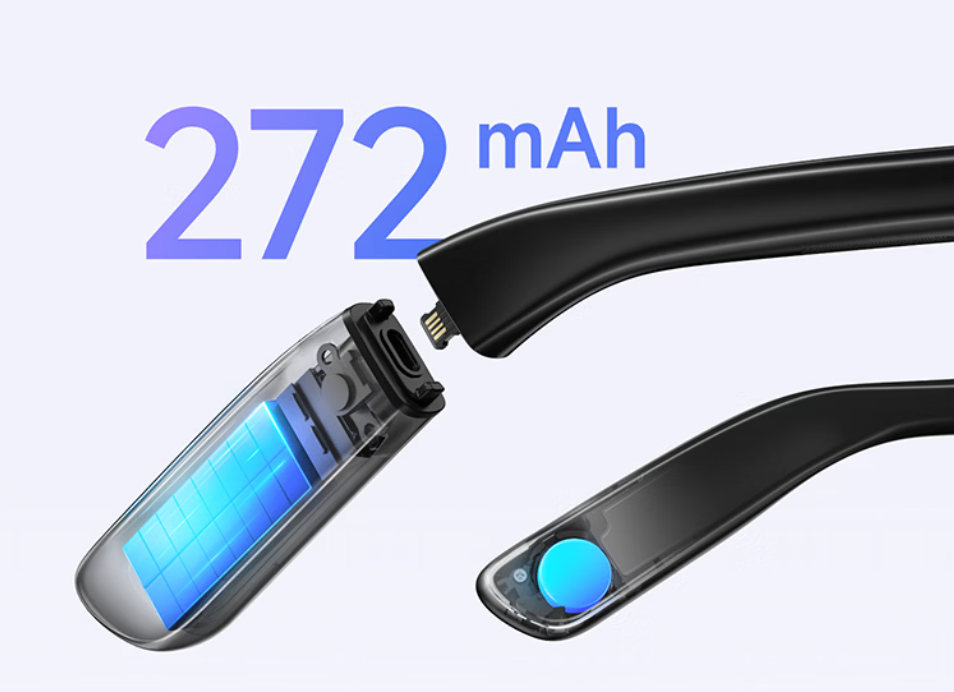
The AI capabilities of the G1 series glasses are also exceptionally powerful. Powered by the latest generation of the Qwen large model, they boast industry-leading response speeds and interaction smoothness, supporting high-precision multimodal understanding and real-time interaction. Their functions comprehensively cover core life and work scenarios such as high-definition shooting, AI translation, meeting recording, and object recognition. Furthermore, they support hot-swappable battery replacement technology, with a comprehensive battery life of up to 9 hours, meeting users’ needs for long-term use. Additionally, they are the first to introduce a “sunglasses version” and offer seven colorful lens options to cater to diverse aesthetic preferences and scenarios. Undoubtedly, the Qwen Glasses G1 will bring users a brand-new smart life experience.
Portable devices like smart glasses and smartwatches require robust ESD (Electrostatic Discharge) protection at critical circuit nodes:
- Interface Sections (USB, Headphone/SIM Jacks): As frequent points of physical contact, these I/O ports are highly vulnerable to ESD transients. Placing TVS (Transient Voltage Suppressor) diodes nearby provides a low-impedance path to shunt ESD currents away from sensitive internal circuits, clamping the voltage to a safe level.
- Signal Transmission Lines:
- High-Speed Differential Lines (e.g., HDMI, USB 3.0): These lines demand high signal integrity and controlled impedance. Low-capacitance TVS diodes are used at entry points to block ESD without adding significant parasitic capacitance, which could cause signal attenuation or jitter, thus ensuring stable data transmission.
- Analog Lines (e.g., Audio): Analog signals are sensitive to voltage fluctuations and noise. Bidirectional ESD protection diodes are typically used to prevent voltage transients in both positive and negative polarities from interfering with the signals, ensuring clear and stable audio quality.
- Power Supply Entry: The power input is a major pathway for ESD and surge events. Protection devices like MOVs (Metal Oxide Varistors) or TVS diodes are installed here to clamp overvoltages, safeguarding the PMIC (Power Management IC) and downstream load circuits. They are typically placed before LC or π-type power filters for optimal performance and to provide a stable and reliable power input for the entire system.
- User Interface (Buttons, Touchscreens): These are direct user interaction points and common ESD entry paths. ESD protection devices are placed near the button controller’s GPIO pins or at the touchscreen controller interface to prevent latch-up and physical damage, ensuring reliable operation.
……………………………………………………………………Company Profile……………………………………………………………………
JY Electronics serves a global customer base across the automotive, industrial & power, computing, consumer, and mobile & wearables industries. Our extensive product portfolio includes Schottky diodes, TVS and ESD protection devices, MOSFETs, LDOs, power ICs, battery protection & segment driver ICs, industrial & automotive-grade sensors, high-side switches (HSD), current sensors, and automotive switch input chips. We are committed to continuous innovation, delivering high-quality products that empower our customers to develop energy-efficient and sustainable solutions.
For samples or a quotation, please contact us at market@jy-electronics.com.cn.